Gold Near Highs in Canada: Weak Loonie Holding Prices Up
Update — 17 November 2026: Gold has since fallen to a new 52-week low — Comex settled at $3,847.40/oz on 16 November 2026. Read the latest: Gold Settles $3,847 — New 52-Week Low.
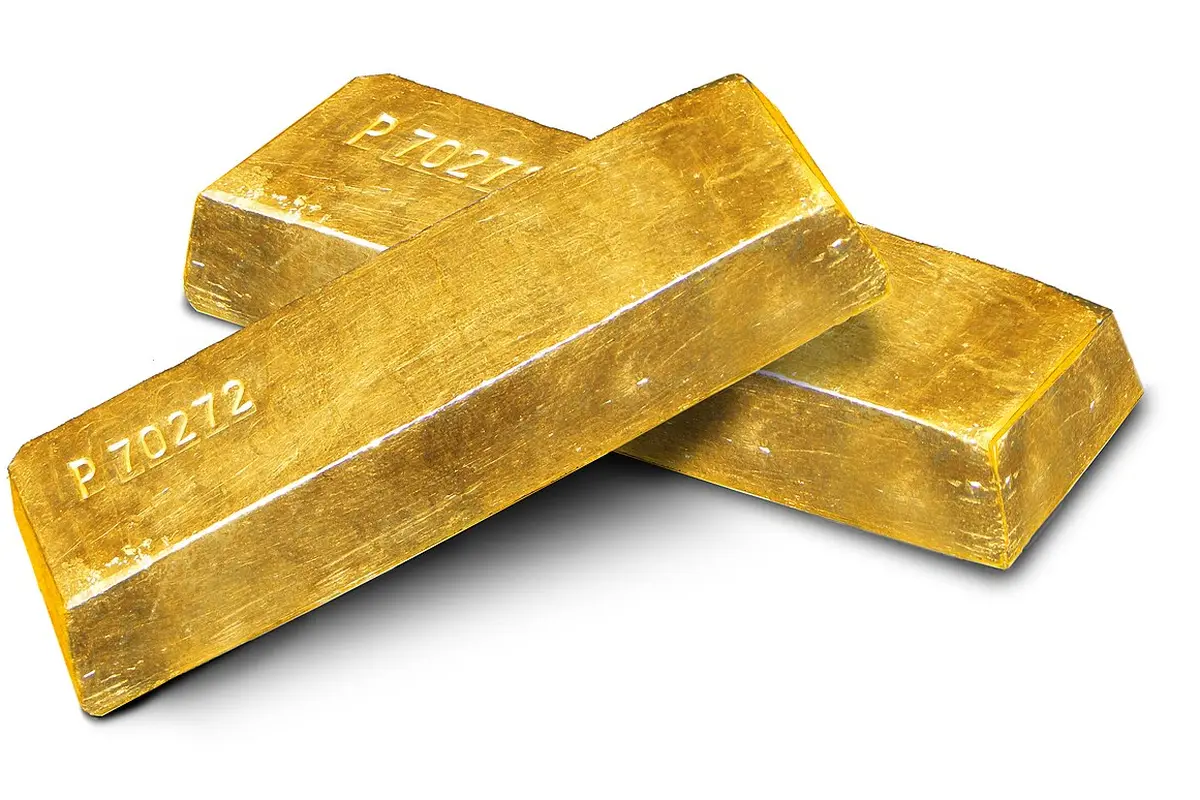
On the morning of October 10, 2026, Canadians woke up to two headlines at once: the economy had just shed 68,300 jobs, and the Canadian dollar was tumbling toward its weakest level against the US dollar since April 2025. Within hours, gold briefly punched above US$4,200 an ounce for the first time that week. In Canadian dollars, the metal was sitting around C$5,845 an ounce — near the top of its recent range.
If you buy or sell gold in Canada, this combination — bad jobs news, a sinking loonie, and a stubbornly high gold price — is not a coincidence. It is a textbook example of how Canadian gold prices are actually set. This article walks through the chain, one link at a time: the September jobs report, the currency reaction, and the simple arithmetic that turns a US-dollar gold price into the number you see on a dealer's price board in Toronto, Calgary, or Montreal.
The September jobs report: worse than anyone expected
Statistics Canada released its September Labour Force Survey on Friday, October 9, and the numbers were grim across the board. Economists polled by Reuters had expected a modest gain of roughly 9,200 jobs. Instead, employers cut a net 68,300 jobs — the second straight monthly decline after a loss of about 41,700 in August.
The key figures:
- Employment change: −68,300 (−0.3%)
- Unemployment rate: 6.5%, up from 6.4% in August
- Full-time employment: −35,400; part-time: −32,900
- Labour-force participation: 64.8%, the lowest since December 1997 outside the pandemic years
- Young workers (15–24): −48,000 jobs, their unemployment near 13%
- Public sector: −70,000 employees, the fourth straight monthly decline
Quebec lost 49,000 jobs and British Columbia 20,000, while Alberta added 23,000. Net job losses for 2026 stood at about 41,200 for the year to date — a sharp contrast with the gain of over 211,000 recorded in the same stretch a year earlier.
For gold markets, the jobs report mattered for one reason above all: it forced a repricing of what the Bank of Canada might do next. With growth sagging and tariffs biting, expectations for a rate hold or cut at the October 28 policy decision shifted — and that repricing hit the currency immediately.
The loonie's slide: toward 1.43
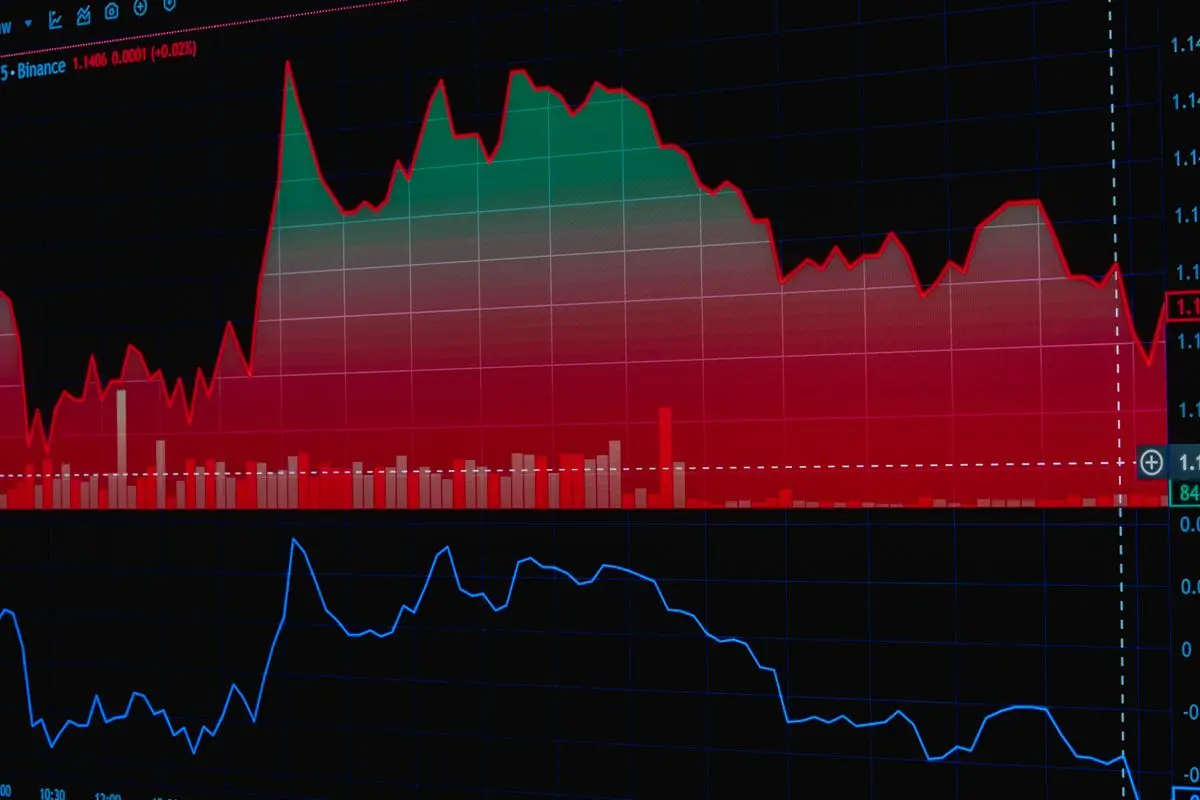
Currency markets reacted within minutes of the release. The USD/CAD pair jumped to 1.42987 at 12:35 UTC on October 10 — levels against the US dollar last seen in April 2025, and just short of the 1.43 line that analysts at Rabobank had flagged as the next threshold. It closed the day at 1.42566, up 0.22%.
Why did the currency fall so hard? A few forces are stacking up against the loonie:
- Rate expectations. Weaker labour data raises the odds that the Bank of Canada pauses or eases at its October 28 decision, narrowing the rate advantage — or widening the rate gap — against the US dollar.
- Tariff drag. US Section 338 tariffs of 50% on hundreds of Canadian goods lines (plus sectoral tariffs on steel, aluminum, autos, and lumber) are weighing on the growth outlook. A currency is, in the end, a claim on future growth — and markets are repricing Canada's.
- Safe-haven flows. When uncertainty rises, global capital gravitates toward the US dollar. The same fear trade that lifts gold in US dollars tends to depress the loonie.
The result is a familiar pattern for Canadians: the currency that defines their paycheques and prices is weakening at exactly the moment a crisis hedge is rallying.
Why a weak loonie pushes gold higher in Canada: the arithmetic
Here is the part that surprises many first-time buyers: gold is priced worldwide in US dollars, and the Canadian price is simply the US price multiplied by the exchange rate.
CAD gold price = USD spot price × USD/CAD rate
Take October 19, 2026, as an example. Spot gold was around US$4,145 an ounce, and the loonie was trading near 1.41 to the dollar:
US$4,145 × 1.41 ≈ C$5,845 per ounce
Now imagine the same US$4,145 price with a stronger loonie at 1.32: US$4,145 × 1.32 ≈ C$5,471 per ounce — a difference of nearly C$375 on the same global gold price. This is why gold in Canada can rise even on days when the US-dollar price falls: if the loonie weakens faster than gold slips, the Canadian price climbs anyway.
Conversely, it means Canadian buyers should never judge a deal by the US price alone. What matters for your wallet is the C$-denominated number, and that number is hostage to two moving parts, not one.
Where CAD gold stands now: near recent highs, not the all-time record
Let's be precise, because precision matters when money is involved. As of October 19, 2026, gold in Canadian dollars was trading around C$5,845 an ounce and C$188 per gram for 24K — near the upper end of its range for recent weeks.
But this is not the all-time record. The highest price of gold in Canada over the last ten years was about C$7,345 per ounce on January 28, 2026, when the global price hit its record near US$5,597. Since then, the US-dollar price has fallen roughly 25%, and the weak loonie has only partially offset that decline for Canadians. A year ago, on October 19, 2025, gold was around C$5,962 — so Canadians are actually paying slightly less in loonie terms than a year earlier, even though the currency has weakened.
The honest way to describe today's market: CAD gold is holding near its recent highs despite a falling US-dollar price, and the weak loonie is the only reason it hasn't fallen further. If you are a seller, your gold still commands a historically elevated price. If you are a buyer, you are paying a currency surcharge on top of the metal.
What record-adjacent prices mean for buyers and sellers
For buyers. A high CAD price means the loonie is quietly taxing every purchase. The practical response is to focus on what you can control: the premium over spot you pay your dealer, not the spot number itself. On a 1 oz Gold Maple Leaf, dealer premiums typically run 2–7% over spot; banks tend to charge more. See our guide on where to buy gold in Canada: banks vs dealers for a direct price comparison.
For sellers. A historically elevated CAD price is your friend. Jewellery, scrap gold, and coins you bought years ago are worth dramatically more in nominal loonie terms. Shop your buyback quotes the same way you would a purchase: get at least three, and compare the payout as a percentage of spot.
For everyone. Remember that investment-grade bullion (99.5% pure or higher) is exempt from GST/HST across Canada. High prices do not change that — the exemption applies to the purity, not the price level.
Outlook: what could move CAD gold next
Three catalysts are on the calendar:
- Bank of Canada, October 28. More weak data could cement expectations of easier policy, pressuring the loonie further — supportive for CAD gold even if the USD price drifts.
- US tariffs. Section 338 levies and sectoral tariffs continue to hang over Canadian exports; any escalation would likely weaken the loonie again.
- The US rate path. The Fed meets October 27–28, the same week. Fading hike expectations have supported gold; a surprise either way moves the USD leg of the equation.
There is also a longer-term undercurrent: with gold roughly 25% below its January record in US dollars, any renewed safe-haven bid would hit the CAD price with a multiplier, because a weaker loonie amplifies every US-dollar rally.
Frequently asked questions
Why is gold more expensive in Canada than the US price suggests?
Because the Canadian price equals the US-dollar spot price multiplied by the USD/CAD exchange rate. When the loonie weakens (a higher USD/CAD number), each US dollar of gold costs more Canadian dollars — even if the global price hasn't moved.
Did the September jobs report cause gold to rise in Canada?
Indirectly, yes. The loss of 68,300 jobs (far worse than the expected 9,200 gain) pushed down the loonie by raising expectations of easier Bank of Canada policy. Since CAD gold = USD price × exchange rate, the weaker currency lifted the Canadian price — and gold simultaneously topped US$4,200 on safe-haven demand.
Is gold at an all-time high in Canada right now?
No. As of October 19, 2026, gold was around C$5,845 an ounce — near recent highs but roughly 20% below the all-time record of about C$7,345 set on January 28, 2026. The weak loonie is cushioning the fall from January's peak rather than setting a new one.
Should I buy gold now or wait for the loonie to recover?
No one can time either market reliably. A practical approach: if you are buying for the long term, focus on minimizing the premium over spot (compare at least three dealers), because the premium is the one cost fully under your control. If you are waiting for a stronger loonie, be aware it could take months — and a stronger loonie often arrives alongside a stronger US economy, which can push the USD gold price up at the same time.
Does the exchange rate affect selling gold too?
Yes, in the same direction. A weak loonie raises the Canadian-dollar value of the gold you already own. Sellers get the mirror image of buyers' pain: historically elevated CAD prices make it a reasonable time to take profits on pieces you no longer want.
How can I convert the US gold price to Canadian dollars myself?
Multiply the US-dollar spot price by the current USD/CAD rate. Example: US$4,145 × 1.41 = C$5,845 per ounce. Divide by 31.1035 for the per-gram price (about C$188/g at 24K). Our gold calculator does this automatically with live rates.
Sources: Statistics Canada Labour Force Survey, September 2026 (via NorthScope and Reuters); USD/CAD reaction and gold above US$4,200 on October 10 (ForexCommand); CAD gold price ~C$5,845/oz, ~C$188/g on October 19 (goldrate24 and thegoldprice.net); loonie weakness drivers (SeriousPick).
Prices are indicative spot values and move by the hour. Check our live gold price page before buying or selling.