Gold Breaks Below $4,100: Is $4,000 Next?
Update — 17 November 2026: The slide continued — gold later broke below $3,900 and Comex settled at $3,847.40/oz, a new 52-week low, on 16 November 2026. Read the latest: Gold Settles $3,847 — New 52-Week Low.
Gold broke below $4,100 on Thursday, October 22, and extended to about $4,060 an ounce, according to Reuters and Kitco. That is a two-month low. It is also the first break below the $4,100–$4,200 range that held for 16 days. The drop ends a calm stretch for the gold price today and puts buyers on the defensive.
The move was not slow. Oil jumped. Yields climbed. Traders shifted toward a Federal Reserve rate hike. That mix usually weighs on gold, and today it did.
For Canadians, spot is only part of the price. A weaker or stronger loonie changes what you pay per gram, even on the same spot move. Canadian buyers should watch both spot and USD/CAD. Check the live gold price today in Canada before you compare dealer prices. That is why a gram price in Canada can move more, or less, than the US dollar spot price suggests.
Why is gold falling today?
A Houthi attack on Saudi Arabia's Shaybah energy facilities pushed Brent crude to about $111, according to Reuters and Kitco. Higher oil can lift inflation again. That makes rate cuts harder to justify.
Markets now price about 86–90% odds of a December Fed hike. That is a sharp change in expectations. Gold often falls when traders expect higher rates for longer.
The 10-year Treasury yield is around 5.10%. Higher yields raise the cost of holding gold, because gold pays no interest. Cash and bonds look more attractive by comparison. When oil and yields rise at the same time, gold faces pressure from both sides.
Levels to watch
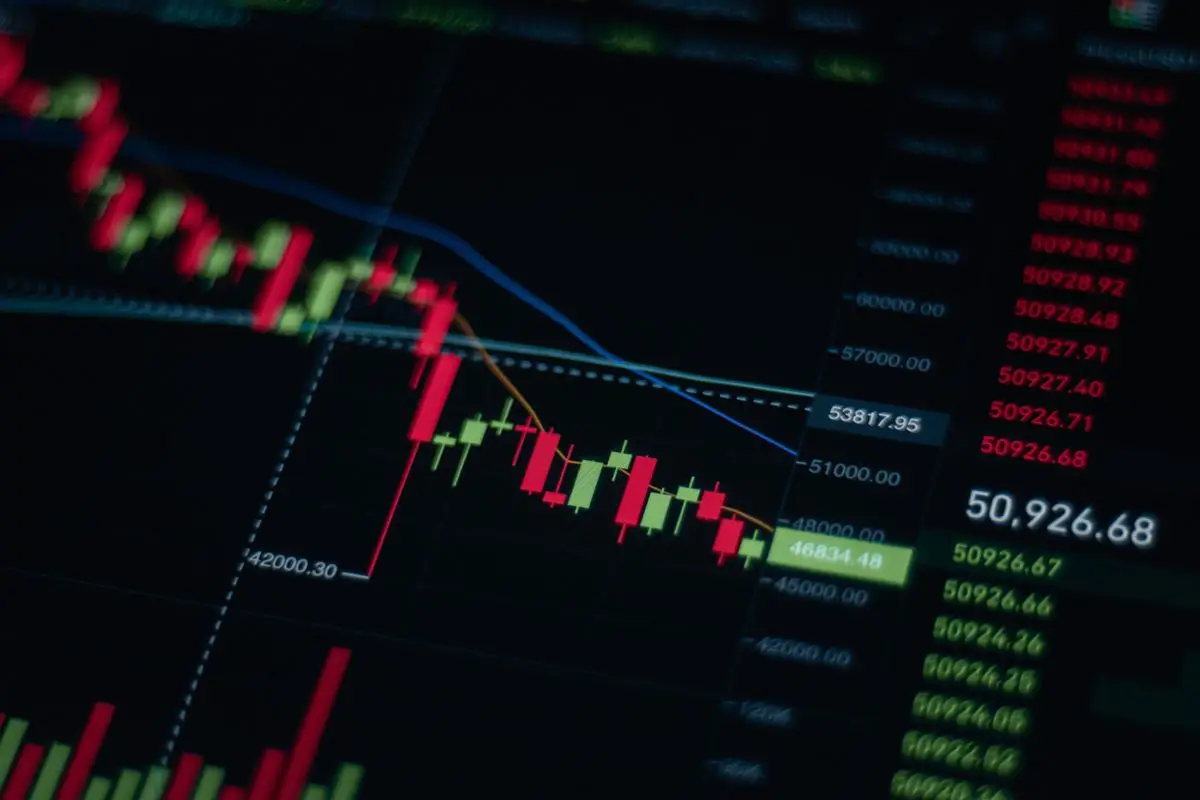
Three levels now matter most:
- $4,073 — support that has already given way.
- $4,000 — the next psychological level.
- $4,100 — the level gold must reclaim to repair the break.
Staying below $4,100 keeps the break in place. A close back above it would ease pressure. A test of $4,000 would draw buyers and sellers alike. Traders watch closes, not just intraday dips, to judge if the break holds.
What happens next?
The FOMC meets Oct 27–28. Its decision comes on Oct 28. That is the near-term catalyst.
If the Fed signals a December hike, yields could stay high. Gold could stay under pressure. If the Fed sounds calmer, gold could try to reclaim $4,100. Oil and the 10-year yield matter too. If either falls back, gold may find support sooner.
Before you act, check what you pay over spot. Our guide to gold premiums explained shows how premiums work. Our guide on how to buy gold in Canada covers dealers, products, and taxes.
The break in numbers
| Figure | Level | Why it matters |
|---|---|---|
| Range that broke | $4,100–$4,200 | It held for 16 days before Thursday's break |
| Thursday's extension | About $4,060 | A two-month low |
| Broken support | $4,073 | The first level to give way |
| Next psychological level | $4,000 | Draws buyers and sellers alike |
| Brent crude | About $111 | The oil spike behind the inflation worry |
| 10-year Treasury yield | About 5.10% | Higher yields raise the cost of holding gold |
| December hike odds | About 86–90% | How markets now price the Federal Reserve |
The $4,073 figure matters for a mechanical reason: it was the first support to give way. Levels that break tend to be retested as resistance on any bounce, as sellers who missed the exit use the return trip to sell. That is why the repair test in the levels list is a daily close back above $4,100 rather than a brief trade through it — only a close, not an intraday spike, shows that buyers hold the level again.
What this means if you buy or sell gold in Canada
Thursday's break came from two directions at once — oil pushing inflation fears up, and yields raising the cost of holding a metal that pays no interest. For a Canadian buyer, the practical effect lands in the per-gram price: the slide from $4,100 to about $4,060 is $40 an ounce, or about $1.29 a gram (40 ÷ 31.1035), before the exchange rate. That part of a dealer's quote comes from the world market. The premium on top is the dealer's own, and on a fast day it can move the other way — so a lower spot price does not guarantee a lower shelf price.
Sellers face the mirror image. When a 16-day range breaks, buyers widen their margins until the market settles, and offers on jewellery and scrap soften first. If you do not need to sell this week, the level to watch is the daily close: a close back above $4,100 would repair the break and usually steadies dealer pricing with it. Until then, compare per-gram quotes on the same day, and treat any single headline price with caution.
FAQ
Will gold reach $4,000?
It could. $4,073 support has already given way, and $4,000 is the next big level. It is not certain. A Fed surprise or a fall in yields could stop the slide first.
Should I buy gold now or wait?
That depends on your goal and timeline. Prices are falling fast, and volatility is high. Some buyers wait for the Oct 28 decision. Others buy in stages. Avoid paying a high premium in a rush. Compare the live price, the premium, and shipping before you decide.
Why did higher oil prices push gold down?
Higher oil can lift inflation again, which makes rate cuts harder for the Federal Reserve to justify. Markets shifted toward a December hike, the dollar and Treasury yields rose, and gold — which pays no interest — came under pressure from both sides.
What are the odds of a December Fed rate hike?
Markets now price about 86–90% odds of a December hike. That sharp change in expectations is one of the main reasons gold broke below $4,100.
What would repair the break below $4,100?
A daily close back above $4,100. Staying below it keeps the break in place — traders watch closes, not intraday dips, to judge whether a level has really been reclaimed.