Gold Bounces Back Above $4,000 — Is $3,750 Next?

Update — 17 November 2026: The bounce did not hold — gold later broke below $3,900 and Comex settled at $3,847.40/oz, a new 52-week low, on 16 November 2026. Read the latest: Gold Settles $3,847 — New 52-Week Low.
Gold bounced back above $4,000 on Friday, October 23, hours after dipping to about $3,987 an ounce, its first move below $4,000 since late July. Buyers stepped in within minutes of the dip, and gold traded near $4,026 by mid-morning in London, according to Reuters. The recovery follows the slide we covered in our report on the break below $4,000.
The Canadian price of Friday's bounce ran through the exchange rate as well. A gram quoted here converts the US spot move through USD/CAD, so the loonie decides how much of the recovery actually reaches a dealer's shelf. Check the live gold price today in Canada before comparing quotes — on a day that swung almost $120 down and then $39 back up, a morning rate and an afternoon rate are effectively two different markets.
Why did gold bounce back?
The fall was driven by liquidity, not by gold itself. On Thursday, US tech stocks suffered their worst day since early June. The Nasdaq fell 2.6%, and Meta dropped about 7% as investors questioned its heavy AI spending. Gold fell almost $120 in the same rush for cash.
Justin Lin of Global X ETFs called the gold drop a "liquidity-driven selloff": in sharp falls, investors sell gold to cover margin calls on falling stocks. Once that forced selling eased, buyers returned at a round number many had been watching. Bets on a Fed rate hike next week also fell below 10%, according to Bloomberg reporting, which removed one headwind. Underneath the volatility, central banks kept buying: Goldman Sachs estimated 79 tonnes of purchases in August.
Levels to watch
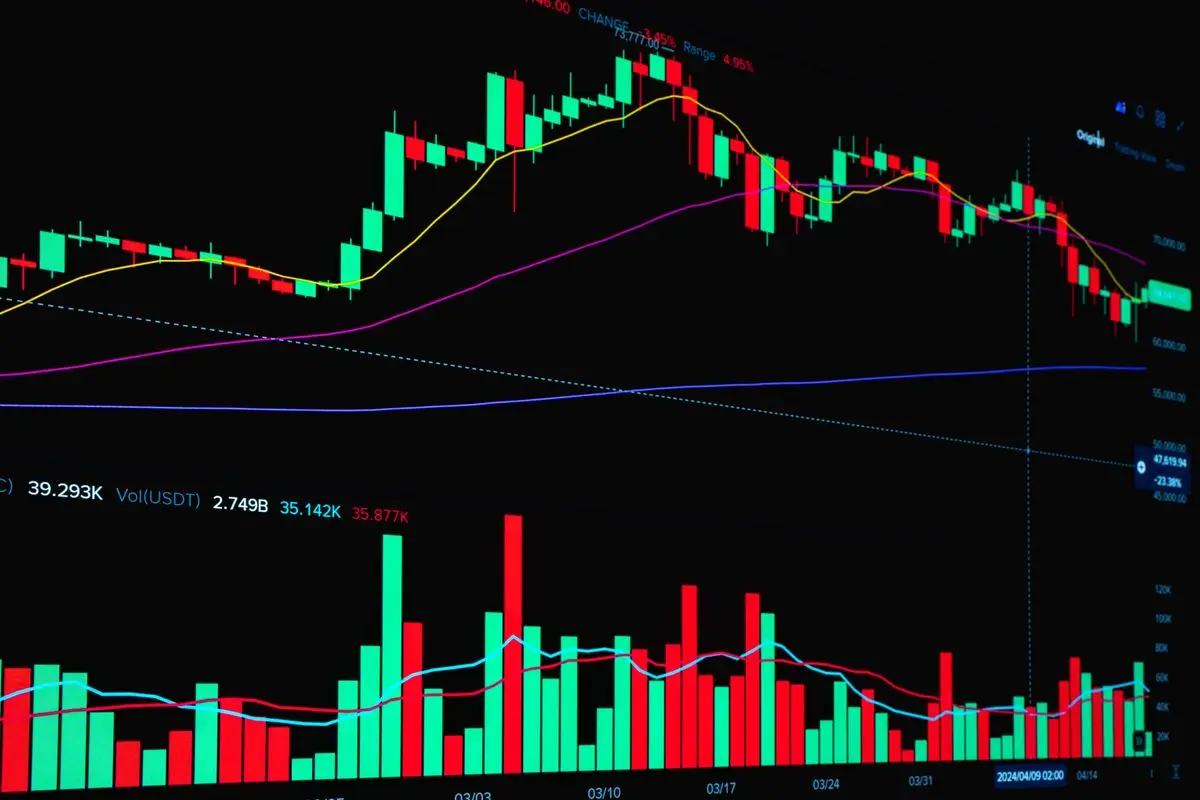
Three levels now matter most:
- $4,000 — reclaimed during the day. A daily close above it keeps the bounce alive; a close back below would reopen the break.
- $3,900 — the next critical test if $4,000 fails again, according to Global X.
- $3,750 — Bank of America's flagged fourth-quarter low if selling resumes and $3,900 gives way.
What counts now is where gold closes, not where it dipped. A daily close above $4,000 keeps Friday's bounce intact, and one above $4,100 would mark the whole break as failed. Fail to hold $4,000 into the close, though, and the correction reopens with $3,900 as the next test.
What happens next?
Two events share the coming week. The FOMC meets Oct 27–28 and decides on Oct 28, with market pricing giving about a 93% chance the Fed holds rates steady this month, according to CME FedWatch data — which makes the wording of the message the real event. US inflation data on Oct 29 adds a second risk point in the same week.
A firm Fed message could send gold back to test $3,900. A softer tone would support the bounce. Even after the recovery, gold is down about 3.5% this week, its steepest weekly fall since June, according to Reuters. In a week this volatile, the premium deserves as much attention as the price itself: it widens while markets swing and narrows once they settle. Our guide to gold premiums explained shows how that markup is built, and our guide on how to buy gold in Canada covers dealers, products, and taxes.
The round trip in numbers
| Figure | Move | Why it matters |
|---|---|---|
| Nasdaq on Thursday | Down 2.6% | Worst day for US tech stocks since early June |
| Meta shares | Down about 7% | Questions over heavy AI spending drove the selloff |
| Gold's Thursday fall | Almost $120 | A rush for cash, not a verdict on gold itself |
| Friday's dip | About $3,987 | First trade below $4,000 since late July |
| Mid-morning recovery | Near $4,026 | Buyers stepped in within minutes of the dip |
| Gold on the week | Down about 3.5% | Its steepest weekly fall since June |
| Central-bank buying | 79 tonnes in August | Goldman Sachs estimate of demand underneath the swings |
The demand underneath Friday's bounce deserves a note, because it did not come from the dip buyers. Central banks bought an estimated 79 tonnes in August, according to Goldman Sachs — steady demand that continues regardless of weekly swings. A bid like that does not prevent a liquidity selloff, but it helps explain why recoveries at round numbers such as $4,000 can be fast: the structural buyer never left the market.
What this means if you buy or sell gold in Canada
The round trip is the lesson. Gold fell almost $120 on Thursday, then recovered about $39 of the dip within hours on Friday — from about $3,987 to near $4,026, roughly $1.25 a gram — without any change in gold's own story. Anyone who bought or sold on the first headline of either day locked in close to the worst price of the week. In weeks like this, the daily close is a better guide than the intraday swing: a close above $4,000 keeps the bounce alive, and a close above $4,100 would suggest the break has failed.
For Canadian buyers and sellers, the mechanics are the same as in any fast market. Compare per-gram prices on the day you trade, expect dealer premiums to be wider while volatility lasts, and remember that the bounce was powered by forced selling ending — not by new demand arriving. The steady demand underneath, central-bank buying, did not change: Goldman Sachs estimated 79 tonnes of purchases in August.
FAQ
Will gold fall to $3,750?
It is possible, but two levels stand in the way. Gold must first lose $4,000 on a closing basis, then fail at $3,900. Bank of America flagged $3,750 as a possible fourth-quarter low if selling speeds up. A firm close back above $4,000 would weaken that case.
Should I buy gold now or wait?
A two-way market rewards patience over prediction. Gold fell almost $120 on Thursday and recovered about $39 within hours on Friday, so a single order placed at either extreme locked in close to the worst price of the week. Buyers who stage purchases across calmer sessions — and who compare the live price, the premium, and shipping before each one — leave less to the luck of the hour. Waiting for the Oct 28 decision is also defensible; chasing the swing rarely is.
What is a liquidity-driven selloff?
Justin Lin of Global X ETFs used the term for Thursday's fall: in a sharp stock-market drop, investors sell gold to cover margin calls on their falling shares. The selling is about raising cash, not about gold itself — which is why buyers returned once the forced selling eased.
Are central banks still buying gold?
Yes. Goldman Sachs estimated central banks bought 79 tonnes in August — a steady source of demand underneath the day-to-day volatility, and one that did not change during this week's swings.
What would confirm the bounce is holding?
Daily closes. A close above $4,000 keeps the bounce alive, and a close above $4,100 would suggest the break below has failed. A close back below $4,000 would reopen the break, with $3,900 as the next critical test.