Cash for Gold in Canada: What You’ll Really Be Paid
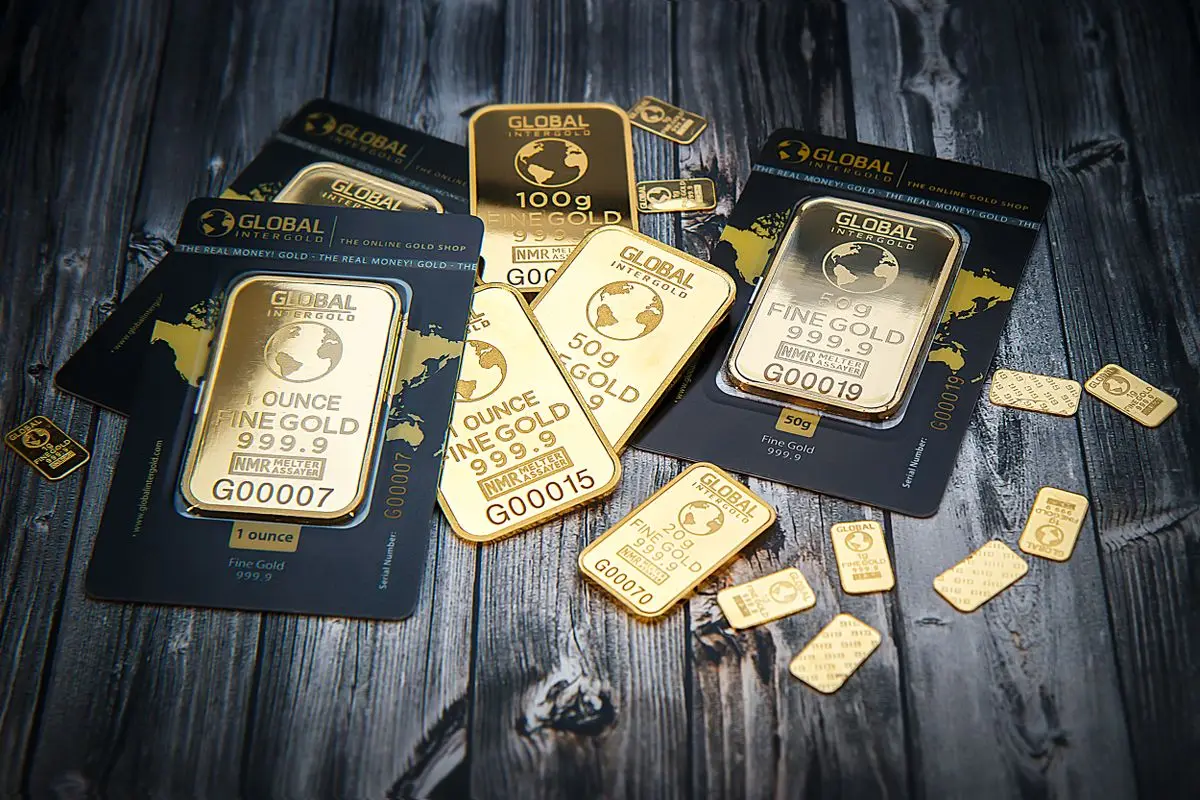
Cash for gold in Canada is easy to find and surprisingly hard to compare. One shop quotes a price for the whole item, another quotes by the gram, a pawn shop may offer either a purchase or a loan, and a mail-in company may not name its percentage until your jewellery has left your hands. The business model is not mysterious once you know the first number every buyer calculates: the value of the fine gold actually inside the item.
This guide explains how those offers are built, how pawn shops and cash-for-gold buyers make money, and how to sell without learning the purity, deductions or payment terms after the item is gone. Prices move, percentages differ and there is no single Canadian payout rate. Anyone who promises one before seeing and testing the item is selling speed, not giving you a valuation.
CASH FOR GOLD - Headache
That forum title captures the complaint behind many cash-for-gold stories: the advertisement sounds simple, but the seller cannot tell whether the quote is good. The headache usually comes from four hidden variables. The buyer weighs the whole item but pays for only the gold fraction. Stones, steel springs, enamel and hollow parts may be excluded. The quote may be a percentage of that day’s melt value rather than the retail price of the jewellery. Finally, a low advertised “up to” rate may apply only to a purity or quantity you do not have.
Do not ask only, “How much?” Ask, “How much gold are you crediting me for, at what price per gram, and what percentage or fees are you deducting?” A legitimate buyer can put the weight, purity, fine-gold weight, live price and payout on a receipt or quote sheet. If the arithmetic cannot be written down, you cannot compare it with the next shop.
How do pawn shops make money on gold?
A pawn shop can earn money in two different transactions. When it buys gold, it pays below melt value, then resells the item, sends it to a refiner or holds it as inventory. The spread must cover testing, rent, staff, security, capital tied up in stock, refining charges and the risk that the gold price falls before resale. When it makes a pawn loan, your item is collateral and the shop earns interest and fees if you redeem it; if the loan is not repaid under the agreement and applicable local rules, it may sell the collateral.
That distinction matters. A pawn loan amount is not a purchase valuation, and a purchase offer is not a loan. Before accepting either, ask which transaction you are entering, the total amount you receive, the deadline and charges if it is a loan, and exactly when ownership transfers if it is a sale. Rules for pawnbrokers and second-hand dealers vary by province and municipality, so read the ticket rather than relying on a national rule someone quotes from another city.
Cash-for-gold stores use a similar spread without the loan side. Their advantage is convenience and immediate payment. Their weakness, for you, is that speed can be expensive: the less comparison you do, the wider the spread can be.
Start with melt value: the number behind every offer
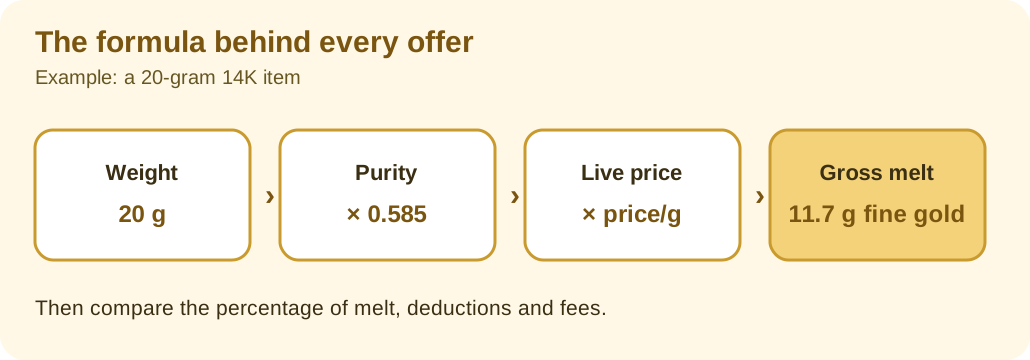
The melt calculation is simple:
Item weight × purity fraction × current price of pure gold per gram = gross melt value
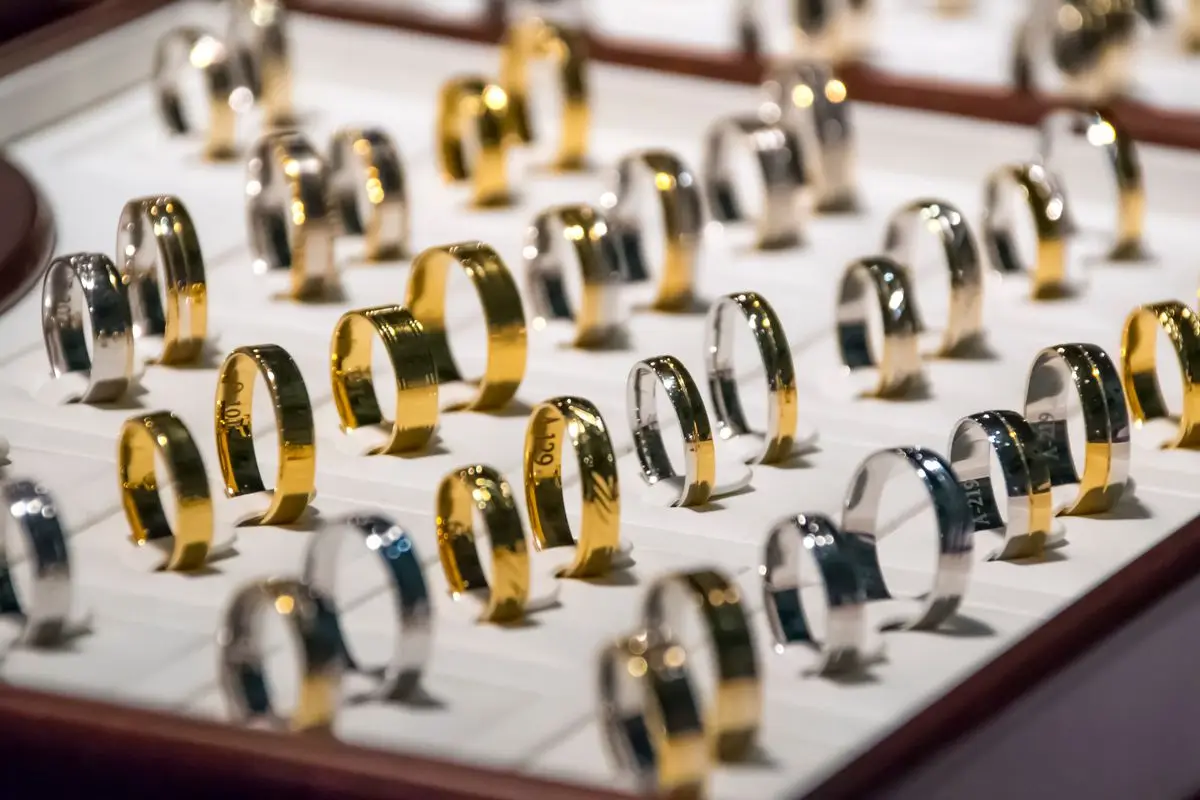
A 14K item is 58.5% gold. If it weighs 20 grams and contains no stones or non-gold parts that need deducting, its fine-gold content is 20 × 0.585 = 11.7 grams. Multiply 11.7 by the live Canadian price per gram of pure gold on our gold calculator and you have the gross melt benchmark—not a guaranteed offer, but the ceiling against which every percentage should be judged.
| If a buyer pays this share of gross melt | Fine gold credited on a 20 g, 14K item | Your payout formula |
|---|---|---|
| 60% | 11.7 g | 7.02 × price per gram |
| 75% | 11.7 g | 8.775 × price per gram |
| 90% | 11.7 g | 10.53 × price per gram |
This table is a comparison tool, not a claim about what any shop will pay. It shows why a small percentage difference matters. It also reveals a common trick: a quote “per gram” may refer to the whole item, the fine-gold content, a pennyweight or a purity the buyer selected. Insist on grams and ask whether the unit is gross weight or fine weight. Our sell-gold estimator lets you test the same item at different purities before you visit.
Brand, workmanship and gemstones are not in the melt formula. A signed jewel, a desirable watch or a quality diamond may be worth more to a jeweller or specialist than to a refiner. Conversely, a famous retail price does not create resale value if the next buyer only wants the metal. Separate the two valuations instead of letting one buyer blur them.
What are some tips for selling rare coins or gold bars and making a profit?
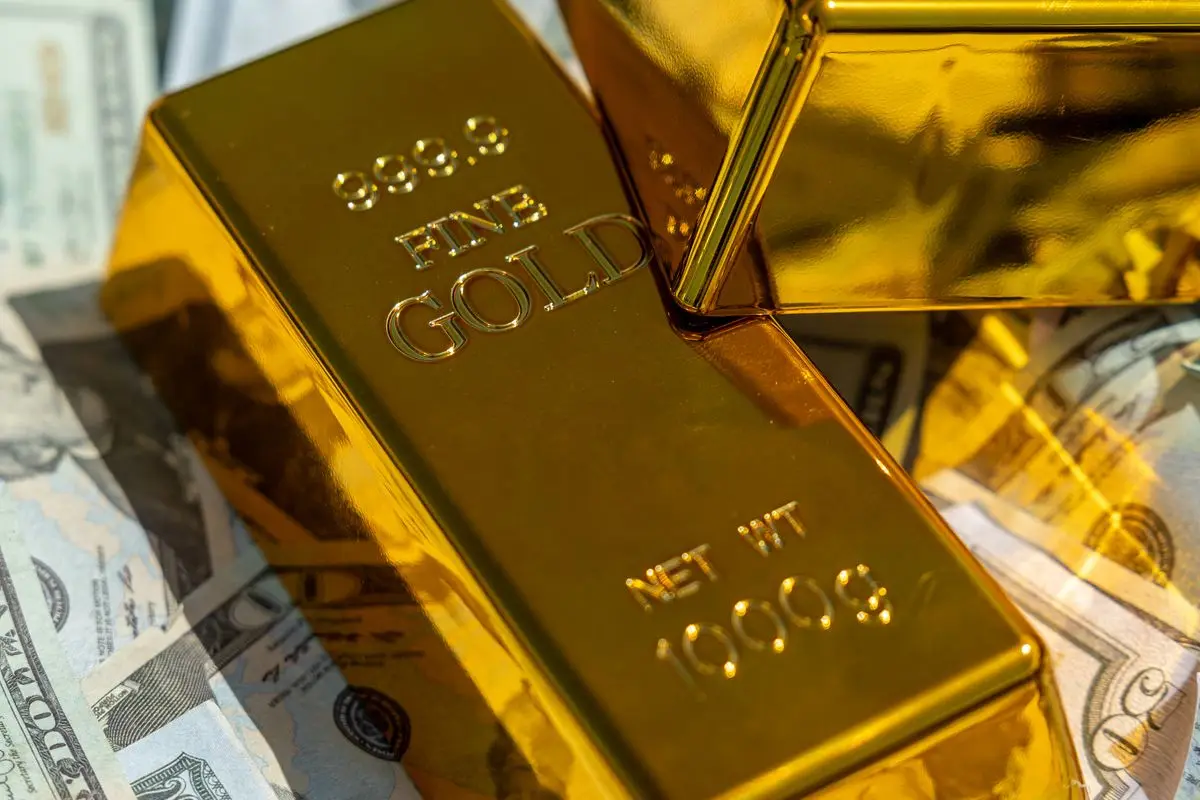
Do not send a rare coin to a generic melt buyer before a coin dealer has seen it. Rarity, date, mint mark, condition and original packaging can create value above the gold content, while cleaning can reduce collector value. Photograph both sides, keep certificates and capsules intact, and get a numismatic opinion. For a common bullion coin or bar, the opposite approach usually works: compare established dealers on the buy price for that exact product, confirm whether the quote is locked, and ask about payment timing and identification.
“Profit” also needs an honest starting point. Your gain is not today’s quote alone; it is the quote minus what you paid, the original premium and any selling costs. Keep purchase receipts. They help with provenance and with the records discussed in our capital gains guide. Selling may have tax consequences depending on whether the property is capital property, personal-use or listed personal property, or business inventory. The CRA’s capital gains guidance is the official starting point. This article is general information, not tax advice.
Cash for gold in Canada: which buyer fits which item?
| Buyer | Often best for | Ask before you commit |
|---|---|---|
| Bullion dealer | Recognized coins, bars and higher-purity scrap | Is the quote locked? How and when am I paid? |
| Independent jeweller | Jewellery with stones, design or possible resale value | Are you valuing the stones and workmanship, or only melt? |
| Pawn shop | Speed, small items or a collateral loan | Is this a sale or a loan? What are all charges and dates? |
| Cash-for-gold store | Broken or unfashionable jewellery when convenience matters | What weight, purity and percentage produced the quote? |
| Mail-in buyer | Only when local options are poor and terms are clear in writing | Is the package insured for full value? What does a rejected return cost? |
| Coin specialist | Rare, certified or collectible coins | Is any value above melt based on grade and comparable sales? |
For an ordinary broken chain, the best buyer is often simply the one with the highest transparent percentage after testing. For a bar, it may be the dealer who sold it and publishes a buyback. For a diamond ring, it may be a jeweller who values more than the setting. There is no reason to let the first counter choose the category for you.
A safer way to sell: quotes you can audit
Before you go, photograph every item, note hallmarks and keep receipts or appraisals separate from the items. Weigh jewellery at home if you have a suitable scale, understanding that a buyer’s calibrated scale controls the transaction. Check the live price and calculate an approximate melt value. Then collect at least three quotes on the same day, because a moving gold price can make yesterday’s higher percentage produce a lower dollar amount today.
Watch the test. Ask whether it is non-destructive and do not consent to filing, cutting or melting until you have accepted the offer. Get the quote broken into gross weight, deductions, purity, fine weight, price per gram, percentage and fees. A seller should be able to decline and leave with the same item. Expect to show identification and receive a transaction record; requirements vary, but a buyer who avoids records altogether is not protecting your privacy—they are creating risk.
Mail-in selling deserves extra caution. Use tracked, insured shipping appropriate to the declared value, photograph the contents and seal, and read the rejection, insurance, payment and dispute terms before sending. The Competition Bureau warns that merchandise-sale scams can involve fake “payment pending” notices, fraudulent cheques and overpayments followed by a request to return the difference. Its core advice is blunt: never send money to get money. Do not ship gold on the strength of a screenshot or release it before an online payment has actually cleared under the platform’s rules.
Red flags include an expiring quote, a scale you cannot see, a price quoted only in an unfamiliar unit, pressure to add more items, an unexplained refining fee, a buyer who will not provide a business address, and an unsolicited door, hotel or parking-lot approach. Our full selling-gold guide covers the wider dealer process; use this cash-for-gold checklist when the offer is fast and the spread is the product.
Frequently Asked Questions
How much do cash-for-gold places pay in Canada?
There is no fixed national percentage. Calculate gross melt from weight, purity and the live pure-gold price per gram, then ask what share of melt the buyer pays and what fees or deductions apply. Compare dollar offers and the written arithmetic, not advertisements.
How do pawn shops make money on gold?
When buying, they pay below melt and earn the spread on resale or refining after costs and price risk. When lending, they earn interest and fees on a loan secured by the item. A loan amount and a purchase price are different transactions.
What are some tips for selling rare coins or gold bars and making a profit?
Do not clean rare coins or sell them for melt before a specialist checks date, mint mark and condition. Keep packaging and receipts. For common bars and coins, compare exact-product buyback quotes from established dealers and include your original premium when judging profit.
Great 'Sell Your Gold' Hunt — what should I compare?
Compare the same items on the same day: credited weight, tested purity, fine-gold grams, live price per gram, percentage of melt, fees, payment method and whether the transaction is a sale or a pawn loan. The highest explainable net payment wins.
Is it safe to mail gold to a cash-for-gold company?
It can be, but only with written terms, tracked shipping and insurance that matches the value, clear rejection and return costs, and a payment process you understand. If the terms are vague or the company pressures you to send quickly, use a local buyer instead.