Gold Hits 3½-Month Low as October Slide Deepens Below $4,000
Update — 17 November 2026: This low did not hold. Gold went on to break below $3,900 — Gold Crashes Below $3,900 in Tech Rout, a One-Year Low — and Comex then settled at $3,847.40/oz, a new 52-week low, on 16 November 2026: Gold Settles $3,847 — New 52-Week Low.
Spot gold fell about 1% on Friday, October 30, to $3,980.40 an ounce, after touching $3,965.36 earlier in the session — its lowest level since July 17, according to Reuters. The drop extends last week's break below $4,000 and puts bullion down 4.3% in October, on track for a second straight monthly decline.
For Canadians, spot is only part of the price. A weaker or stronger loonie changes what you pay per gram, even on the same spot move. Check the live gold price today in Canada before you compare dealer prices.
Why is gold falling today?
US data released on Thursday pointed the wrong way for gold. Gross domestic product grew 3.4% in the third quarter, above the 3.2% forecast. September inflation also accelerated: the PCE price index rose 3.6% year on year, with core PCE at 3.1%.
Strong growth plus sticky inflation strengthens the case for another Federal Reserve rate hike. The Fed held rates at 3.75%–4.00% on Wednesday, but the 10–2 vote included two officials who wanted a hike immediately. Traders now price about a 74% chance of a December hike, according to CME FedWatch. Gold pays no interest, so higher expected rates raise the cost of holding it.
Oil adds to the pressure. Crude climbed again after an attack on a tanker in the Strait of Hormuz, keeping energy-driven inflation fears alive. As UBS analyst Giovanni Staunovo noted, stronger US growth and higher oil prices together push the Fed toward further hikes — and gold lower. Silver fell harder, down 3.6% to about $50.50 an ounce.
Levels to watch
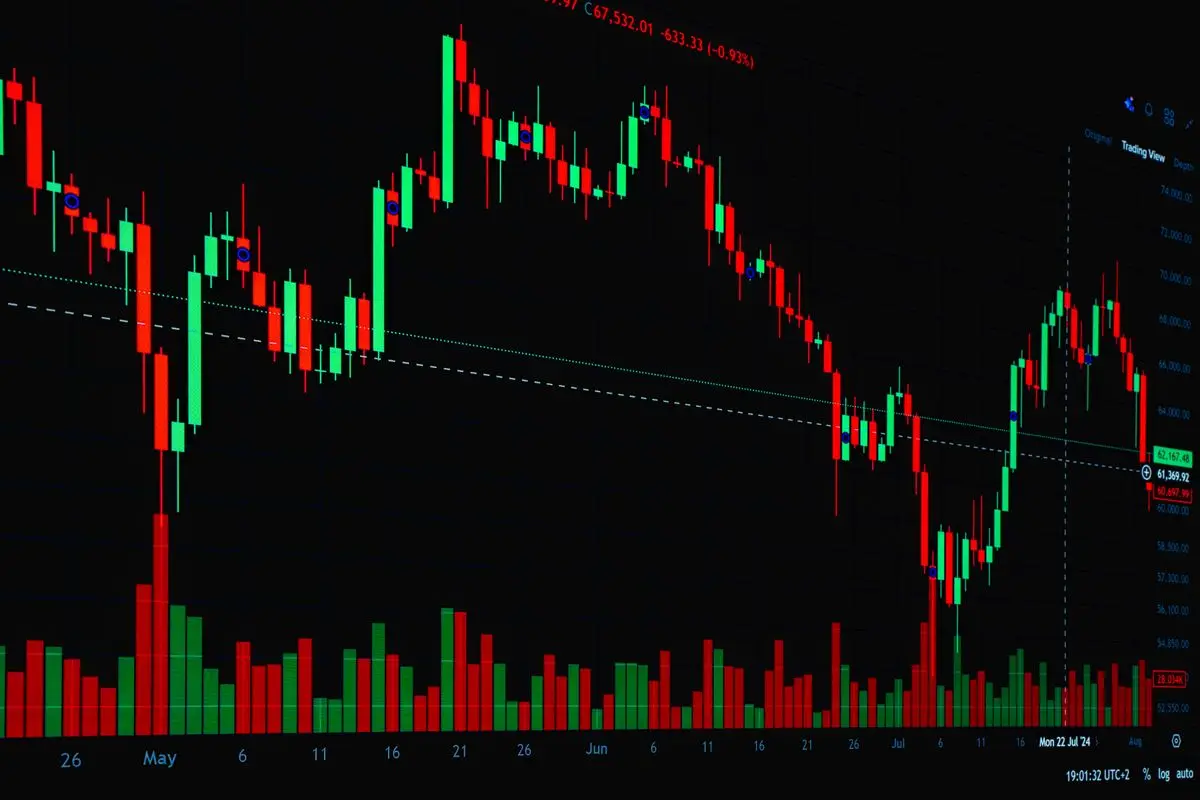
- $4,000: now resistance. Gold needs a daily close back above it to ease the selling pressure.
- $3,965: today's intraday low and the first line buyers must defend.
- $3,900: the next test if $3,965 gives way and December hike bets keep building.
These levels matter for Canadian pricing too. Every $10 move in spot gold changes the per-gram price dealers quote in CAD, on top of the exchange-rate effect. Use our gold calculator to value a coin or bar at today's rate before you visit a dealer.
What happens next?
The next big catalyst is the Federal Reserve meeting on December 8–9. A hike, or a firm signal of one, could extend the slide toward $3,900. A softer tone — or weaker US data before then — could help gold reclaim $4,000. Until December, expect sharp moves in both directions, and check the live price on the day you trade, not the price from the morning headlines.
The week in numbers
| Figure | Reading | Why it matters |
|---|---|---|
| Friday's close | $3,980.40, down about 1% | The lowest level since July 17 |
| Intraday low | $3,965.36 | The first line buyers must defend |
| October | Down 4.3% | On track for a second straight monthly decline |
| US third-quarter GDP | Up 3.4% | Above the 3.2% forecast |
| September PCE inflation | Up 3.6% year on year | Core PCE at 3.1% — inflation still sticky |
| Federal Reserve | Held at 3.75%–4.00% | A 10–2 vote, with two officials wanting a hike |
| December hike odds | About 74% | CME FedWatch pricing after the data |
| Silver | Down 3.6% to about $50.50 | Fell harder than gold, as it often does |
One more reading from Thursday's data is worth holding onto. GDP growth of 3.4% against a 3.2% forecast would normally be a footnote; paired with PCE inflation accelerating to 3.6%, it told traders the economy can bear higher rates — the exact combination that pressures a metal paying no interest. Silver's 3.6% fall to about $50.50 underlines the point: on days like this, the whole precious-metals complex moves on the rate outlook first and on metal-specific news second.
What this means if you buy or sell gold in Canada
Friday's numbers describe a market being pushed by data, not by panic. Growth came in stronger than forecast, inflation accelerated, and the price of holding gold — which pays no interest — rose with the odds of another Fed hike. For Canadian buyers, the translation into dollars is direct: from $4,000 to Friday's $3,980.40 close is $19.60 an ounce, about $0.63 a gram before the exchange rate. That sounds small per gram, but it is the full $19.60 on a one-ounce coin and $196 on ten ounces — which is why bars and coins are judged on the ounce price and jewellery on the gram price.
A second straight monthly decline changes the bargaining table, too. Dealers quoting on a falling market protect their margins, so the discount under melt on jewellery and scrap tends to deepen on down days, while sealed bars and coins hold the tightest pricing. If you are buying, small staged purchases spread the risk of catching a falling market better than one large order. If you are selling and the sale is not urgent, the December 8–9 Fed meeting is the date that could reset the story in either direction — check the live price on the day you trade, not the morning headline. And keep the invoice from any purchase you make at these levels — the price you paid is the number your eventual return will be measured against.
Frequently Asked Questions
Why did gold fall below $4,000 again?
Hot US inflation (PCE 3.6%), stronger-than-expected GDP growth of 3.4%, and rising oil prices lifted expectations of a December Fed rate hike to about 74%. Higher expected rates hurt gold because the metal pays no interest.
Should I buy gold now or wait?
It depends on why you buy. For long-term investment, buying in small parts spreads risk better than one large purchase in a falling market. For jewellery or gifts, a lower rate helps, but wait for calmer prices if your purchase is not urgent. Never decide on one headline alone.